Showing metabocard for Nobilamide J (MMDBc0060789)
Microbial
| Record Information | |||||||||||||
|---|---|---|---|---|---|---|---|---|---|---|---|---|---|
| Version | 2.0 | ||||||||||||
| Status | Detected and Quantified | ||||||||||||
| Creation Date | 2025-10-02 23:10:08 UTC | ||||||||||||
| Update Date | 2025-10-08 21:35:21 UTC | ||||||||||||
| Metabolite ID | MMDBc0060789 | ||||||||||||
| Metabolite Identification | |||||||||||||
| Common Name | Nobilamide J | ||||||||||||
| Description | Nobilamide J is a member of the nobilamide chemical class, characterized by its unique structure that includes an amide functional group. This compound has been identified as a metabolite with notable antibiotic properties, specifically exhibiting potent activity against various pathogens. The chemical structure of nobilamide J allows it to interact effectively with bacterial cell membranes, contributing to its antimicrobial effects. In particular, agar diffusion assays have demonstrated that nobilamide J, alongside its N-acyl homologs, A-3302-A and A-3302-B, shows significant antibacterial activity against Lysinibacillus sphaericus, a pathogen associated with severe sepsis and bacteremia in humans (PMID:39456177 ). The pathways involved in its action likely include disruption of bacterial cell wall synthesis and interference with essential cellular processes, underscoring its potential as a therapeutic agent in combating infections caused by resistant strains. | ||||||||||||
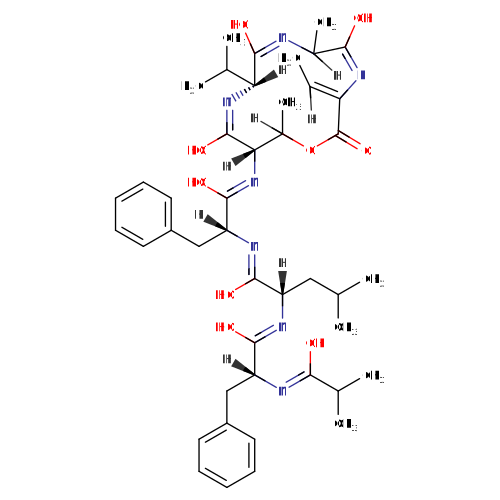
| Structure | 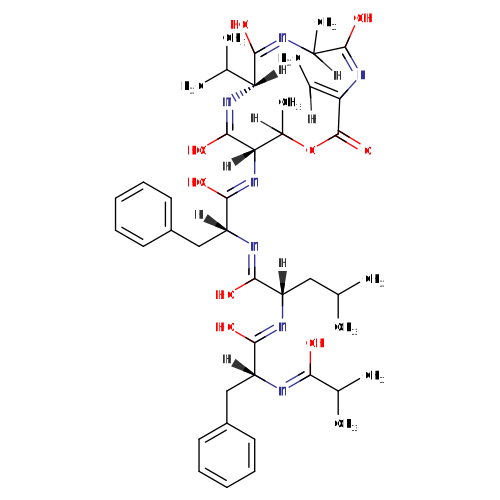 | ||||||||||||
| Synonyms | Not Available | ||||||||||||
| Molecular Formula | C44H61N7O9 | ||||||||||||
| Average Mass | 832.012 | ||||||||||||
| Monoisotopic Mass | 831.453076572 | ||||||||||||
| IUPAC Name | Not Available | ||||||||||||
| Traditional Name | Not Available | ||||||||||||
| CAS Registry Number | Not Available | ||||||||||||
| SMILES | Not Available | ||||||||||||
| InChI Identifier | Not Available | ||||||||||||
| InChI Key | QPLVWFLTOFPKKP-KDZIRAKRSA-N | ||||||||||||
| Chemical Taxonomy | |||||||||||||
| Functional Ontology | |||||||||||||
| Not Available | |||||||||||||
| Physical Properties | |||||||||||||
| State | Not Available | ||||||||||||
| Predicted Properties | Not Available | ||||||||||||
| Spectra | |||||||||||||
| Not Available | |||||||||||||
| Chromatographic Retention Times and Retention Indices | |||||||||||||
| Retention Times | Not Available | ||||||||||||
| Retention Indices | Not Available | ||||||||||||
| Biological Properties | |||||||||||||
| Cellular Locations | Not Available | ||||||||||||
| Biospecimen Locations | Not Available | ||||||||||||
| Tissue Locations | Not Available | ||||||||||||
| Associated OMIM IDs | |||||||||||||
| Human Proteins and Enzymes | |||||||||||||
| |||||||||||||
| Human Pathways | |||||||||||||
| Pathways |
| ||||||||||||
| Microbial Pathways | |||||||||||||
| Pathways | Not Available | ||||||||||||
| Metabolic Reactions | |||||||||||||
Reactions This table shows at most 20 reactions. For the full list of associated reactions: See All Associated Reactions
| |||||||||||||
| Health Effects and Bioactivity | |||||||||||||
| |||||||||||||
| Microbial Sources | |||||||||||||
| |||||||||||||
| Exposure Sources | |||||||||||||
| Other Exposures |
| ||||||||||||
| Host Biospecimen and Location | |||||||||||||
| |||||||||||||
| External Links | |||||||||||||
| CMMC Knowledgebase | QPLVWFLTOFPKKP-ZNOPVMPFSA-N | ||||||||||||
| General References | |||||||||||||
| |||||||||||||